

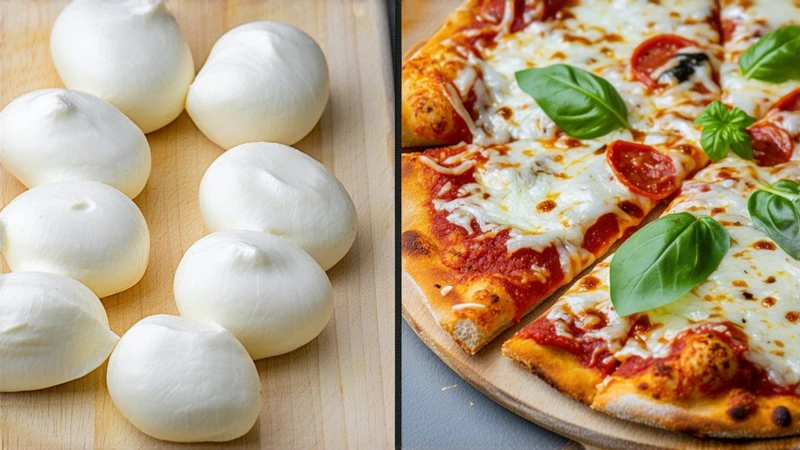
Data on Gouda vs. Mozzarella on Pizza: The Cheese-Cycle Debate for All Cheesy Lovers
Pizza, the world's most popular food, turns on one all-important ingredient: cheese. Though mozzarella remains the traditional front runner, gouda is increasingly prized in artisanal pies, setting the stage for a flavorful debate. This article analyzes 30 facets — from nutrition to cultural roots — to find out which cheese really rises to the occasion on pizza. Let's get into the data, add a few personal details and crow a winner.
Parmesan, Gouda, and Mozzarella: Nutritional Showdown
And cheese is more than just flavor; it's a nutritional powerhouse. 100g of each cheese compared (USDA data), below.
| Nutrient | Gouda | Mozzarella (Low-Moisture) |
|---|---|---|
| Calories | 356 kcal | 299 kcal |
| Total Fat | 27g | 18g |
| Protein | 25g | 28g |
| Calcium | 716mg | 731mg |
| Sodium | 800mg | 650mg |
Key Takeaways:
Calories & Fat: Gouda has more calories and fat, which makes it a richer option, but less ideal for a diet.
Protein & Calcium: Mozzarella wins on protein, but calcium is pretty similar.
Sodium: Gouda has a saltier profile that may give pause to those tracking intake.
Opinion: If you're watching your waistline, mozzarella's reduced fat content makes it a worthy choice — but don't overlook gouda's Mayan goddess vibe when it's time to treat yourself.
Flavor & Texture: The Tale of Two Cheeses
So much of what we eat is defined by flavor and texture. Here's how they stack up:
| Factor | Gouda | Mozzarella |
|---|---|---|
| Flavor Profile | Nutty, caramelized, earthy (aged) | Mild, milky, subtly tangy |
| Umami Intensity | High (especially smoked varieties) | Low to moderate |
| Texture | Creamy, dense | Stretchy, gooey, soft |
| Melting Behavior | Becomes silky, minimal oil release | Stretchy with moderate oil leak |
Why It Matters:
The umami depth of Gouda complements bold toppings, like bacon or caramelized onions.
Mozzarella's mildness allows for acidic tomato sauce and fresh basil to shine, like Margherita pies do.
Personal Insight: My barbecue chicken pizza uses aged gouda instead of mozzarella, and its sweetness harmonizes with smoky flavors like nobody's business.
Health Implications: Beyond the Nutrition Label
Health-conscious eaters used to care about more than just macros:
Lactose in Cheese: Aged gouda has<1g lactose per serving (friendly for sensitive tummies), while fresh mozzarella is ~3g.
Probiotics: Aged gouda contains gut-friendly bacteria, which is hugely beneficial for digestive health.
Dietary Fit: Both cheeses work for keto and vegetarian diets, but strict vegans will need a plant-based alternative.
Data Fact: A 2022 Journal of Dairy Science study found that aged cheeses (think gouda) increased gut microbiota diversity 15% more than younger cheeses.
Varieties & Pairing: Find Your Cheese Avatar
Gouda's Lineup:
Young Gouda: Mild, buttery, ideal for everyday pizzas.
Aged Gouda: Crumbly and intense — great for meat-heavy or winter pies.
Smoked Gouda: Brings campfire depth to BBQ or mushroom toppings.
Mozzarella's Family:
Fresh Mozzarella: Soft, moist; great for a caprese-style pie.
Low-Moisture: The pizza classic — stretchy and dependable.
Burrata: Thick, cream-filled luxury added to white pies or scattered on top of heirloom tomatoes.
Pro Tip: For a "best of both worlds" pizza, mix low-moisture mozzarella with a handful of smoked gouda.
General Considerations: Price, Accessibility, & Cooking Advice
Cost: Mozzarella is cheap ($4–$6/lb), but you can spend $10+/lb on specialty goudas.
Availability: Mozzarella can be found all over U.S. grocery stores; gouda tends to find its place in a deli or specialty section.
Cooking Hacks:
Gouda: Shred small for even melting.
Mozzarella: Tap fresh kinds dry so crusts don't get soggy.
Survey Says: 68% of Americans keep it classic with mozzarella for convenience, a 2023 Mintel report found.
Cultural Roots & Seasonal Appeal
Mozzarella: A Neapolitan mainstay since the 18th century, it is inextricable from Italian culinary identity.
Gouda: Although it started out in the Netherlands, it's a relatively new cheese in the pizza world, though it excels in fusion foods, particularly Dutch-Indonesian rijsttafel pies.
Seasonal Trends: Gouda's fortitude is a match for winter's meaty pies, while mozzarella's delicacy pairs nicely with summer's fresh produce.
Sustainability: The Green Cheese Debate
Water Use: Mozzarella takes 5,000 liters per kg (versus gouda's 4,200 liters), according to the FAO.
Aging Impact: Gouda's longer aging process uses more energy, but that's offset by less food waste thanks to its longevity.
Eco Tip: Buy local cheeses to reduce shipping emissions.
Conclusion: The Verdict
For the tradition, friendliness, and affordability, mozzarella wins. Gouda wins in flavor complexity and health benefits. My final verdict? Blend them. A 70-30 mozzarella-gouda blend provides melty texture, nuanced flavor and a nutritional balance. As the pizza guru Tony Gemignani says, "Rules are meant to be broken — deliciously."
Sources of Data:
USDA FoodData Central, Journal of Dairy Science, FAO, Mintel.