

Which is better for sushi: Ahi Tuna or Salmon? Here's the full breakdown!
Sushi is a celebrated form of culinary art around the world, and it depends on the quality of its star ingredient: raw fish. Ahi Tuna (yellowfin tuna) and Salmon are some of the most controversial decisions for sushi lovers. Both have distinct textures, flavors and nutritional profiles, but which one is better? This piece breaks down 30+ criteria — from omega-3s to cultural significance — to help you make a call.
Compare Nutritional Value: Ahi Tuna vs Salmon
Let's start with the data. The thing to remember is when you're being told to eat less red meat, check out the side-by-side comparison of 100g raw portions (USDA, 2023):
| Nutrient | Ahi Tuna | Salmon |
|---|---|---|
| Calories | 109 kcal | 208 kcal |
| Protein | 24g | 20g |
| Fat | 0.5g | 13g |
| Omega-3s | 0.2g | 2.3g |
| Vitamin D | 2.9µg | 12.5µg |
| Mercury (avg. ppm)* | 0.35 | 0.02 |
*FDA (2022) mercury data.
As such: Ahi Tuna is lower in calories and leaner, while Salmon has more omega-3s and vitamin D.
Omega-3 Fatty Acids: The Salmon Rule
Compared to Ahi Tuna, Salmon's omega-3 content is out of this world—providing 10x as much per serving (NOAA, 2023). These fats also promote brain function and reduce inflammation, meaning salmon is a heart-healthy staple.
Ahi Tuna: A Protein Powerhouse
With 24g of protein per 100g, Ahi Tuna tops salmon's 20g and is a frequent option for those on a low-calorie attack, especially bodybuilders.
Sushi Calorie Considerations
Low-fat Ahi Tuna (0.5g) is guilt-free, while salmon (13g fat) is rich. For calorie-minded diners, tuna nigiri (≈35 kcal per piece) has the edge over salmon (≈55 kcal).
Fat Content: Lean vs. Luxe
Ahi's lean fat (0.5g) makes it preferable for sashimi purists, while salmon's marbled texture complements rolls like the Salmon Avocado Roll.
Vitamin D Content: Salmon Takes the Crown
Salmon provides 4x as much vitamin D as tuna, essential for bone health, especially for those in sun-poor regions.
Mercury Levels: Ahi's Risk Factor
Ahi Tuna is moderate for mercury (0.35 ppm), but the FDA suggests limiting consumption for pregnant women. Salmon's 0.02 ppm is of no practical risk.
Flavor Profiles: Mild or Bold
Ahi Tuna has a clean, oceanic flavor, and salmon's richness serves a buttery blow. "The tuna is the canvas; it's the salmon that is the flavor brushstroke," Chef Nobu Matsuhisa says.
Texture Contrast: Firmies and Silky Softies
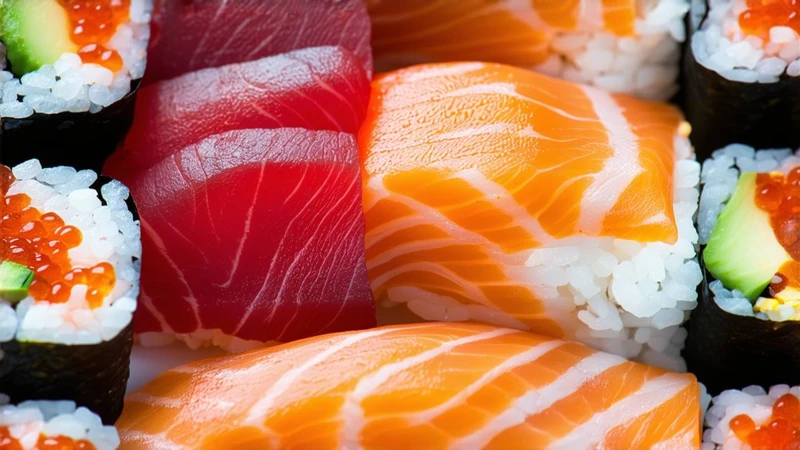
Ahi's firm flesh retains its shape in nigiri, salmon's softness melts on the tongue — a vital concern in sushi craftsmanship.
Traditional Cuisine Makes Sushi Authentic
Ahi Tuna (maguro) is a key sushi ingredient in Japan and is highly valued for its several uses. Salmon (sake) only became more common post-1980s in Western fusion rolls.
Sustainability Showdown
| Fish | Wild-Caught | Farmed |
|---|---|---|
| Ahi Tuna | "Good Alternative" | Avoid (overfished) |
| Salmon | "Best Choice" (Alaska) | "Avoid" (Atlantic farmed) |
The verdict: Wild Alaskan salmon and pole-caught Ahi.
Cost and Accessibility
The high price of Ahi Tuna (≈$30–$50/lb) compared to the low price of salmon (≈$15–$25/lb) Whereas Ahi is seasonal, salmon's year-round availability has helped increase its popularity.
Culinary Versatility
Ahi: Best with toro (fatty cuts) and seared preparations.
Salmon: The holy trinity resides in rolls with avocado, cream cheese or spicy mayo.
Health Considerations
Heart Health: Salmon's omega-3s lower LDL cholesterol.
Dietary Needs: Ahi is for keto/paleo; salmon benefits brain.
When You Have No Data: Ethical and Environmental Concerns
Ahi: Stocks are overfished; look for MSC-certified sources.
Salmon: Farmed salmon is frowned upon for antibiotic use and pollution.
Audience Preferences
Adventurous palates are drawn to Ahi's nuance, while salmon's easygoingness is a shorthand for beginners.
The Final Verdict
Choose Ahi Tuna if:
You prefer lean protein, and tradition.
You're at a high-end omakase.
Choose Salmon if:
The omega-3s and the accessibility count.
You're making fusion rolls or serving a crowd.
Data Table: Sustainability and Mercury Risk
| Factor | Ahi Tuna | Salmon |
|---|---|---|
| Sustainability Risk | High (overfished) | Low (Alaska wild) |
| Mercury Risk | Moderate (0.35 ppm) | Low (0.02 ppm) |
Conclusion
Ahi Tuna and Salmon both deserve their spots in sushi culture. What you choose will depend on health goals, ethical priorities and palate preferences. As the sushi master Jiro Ono once said, "The best sushi is when you feel happy."
What's your pick? Let us know what you think in the comments!
Sources: USDA FoodData Central, FDA Mercury Levels, Monterey Bay Aquarium Seafood Watch, NOAA Fisheries