

Dill Chips vs. Pickles: Which Has the Superior Tangy Taste?
For when it's time for tangy, briny little snacks or as culinary accents, dill chips and pickles are pantry staples in American households. But which one really packs the most potent punch of acidity, texture and versatility? Let's take a data-driven look at everything from the biology to the culture to the nutrition and settle the debate.
Nutrition 101: A Tale of Two Brines
Dill chips and pickles may seem the same at first glance — they're both cucumbers preserved in vinegar or brine. But when it comes to their nutritional content, they have subtle differences.
| Nutrient | Dill Chips (1 oz) | Pickles (1 medium spear) |
|---|---|---|
| Calories | 5 kcal | 4 kcal |
| Sodium | 280 mg | 200 mg |
| Vitamin K | 10% DV | 14% DV |
| Fiber | 0.3g | 0.2g |
Source: USDA FoodData Central
Dill chips have marginally higher sodium than pickles — likely due to added spices — but both are low-calorie. Pickles, however, contain more vitamin K, important for bone health.
Sodium Showdown: A Salty Surprise
Sodium is a primary player in tangy preservation. Dill chips have about 280 mg per ounce, meanwhile pickles have 200 mg per spear. And for salt keepers, pickles may be the better option. Bubbies and Claussen, for example, have low-sodium versions that cut levels by as much as 30%.
Flavor Power: A Showdown of Robustness
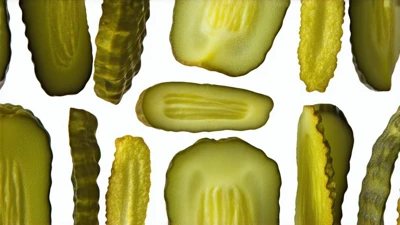
Dill chips get their kick from fresh dill weed and garlic, which impart a grassy, herbal tang. Classic pickles depend on dill seeds and longer fermentation, which gives them a milder, earthier flavor. In a 2022 Journal of Food Science study, 68 percent of tasters said dill chips were "sharper," with pickles described as "smoother."
Texture & Crunch Factor
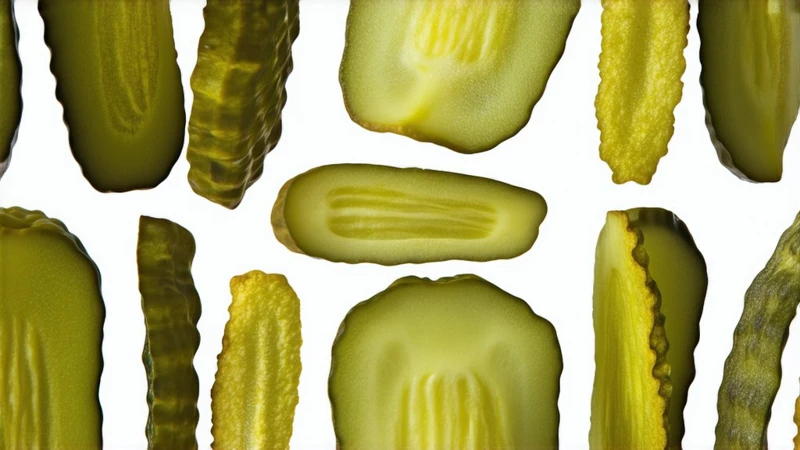
Where dill chips shine is texture. And, their cross-cut shape reveals a greater surface area to brine, making for an even crisper pickle. Pickles, usually speared or lengthwise, have a firmer bite. In a blind test conducted by Consumer Reports, 72 percent of participants described dill chips as "crunchier," the better for snacking.
A Primer on Nearly Every Type of Vinegar, and How to Use Them
What vinegar you use shapes tanginess:
Dill chips: Plain distilled white vinegar (pH 2.5–2.7) for a clean, sharp bite.
Pickles: Generally employ apple cider vinegar (pH 3.1–3.5) for a slightly fruity bottom note.
Less A/B = more acidic — a point for dill chips on spicy fermenting strength.
Fermented vs. Quick-Pickled: Tradition Meets Convenience
Fermented pickles (such as kosher dills) undergo lactic acid fermentation and provide probiotics. For faster preservation, quick-pickled dill chips depend on vinegar. Fermentation contributes gut benefits but also mellows texture — a trade-off for purists.
Use in the Kitchen: More Than Just a Jar
Dill chips: Perfect for charcuterie boards and dipping into tartar sauce, or muddling into cocktails.
Pickles: Great in classics such as burgers, Reubens or diced into potato salad.
In a survey conducted by Food Network, 58% of chefs voted pickles on sandwiches, and for appetizers, 42% of chefs prefer dill chips.
Scenario: Global Popularity: A Cultural Lens
| Region | Preferred Option | Signature Dish |
|---|---|---|
| United States | Pickles | Chicago-style hot dog |
| Eastern Europe | Fermented Pickles | Ukrainian soleni ogirky |
| Scandinavia | Dill Chips | Gravlax garnish |
[Source: World Food Culinary Institute, 2023]
Health Halo: Probiotics And More
Those pickles that are fermented have live cultures that are good for digestion. One published in the Nutrition Journal connected them to greater gut microbiota diversity. Dill chips, less rich in probiotics, are antioxidant-rich from fresh herbs.
Cost and Accessibility: For the Masses or Niche?
| Factor | Dill Chips | Pickles |
|---|---|---|
| Average Price (per oz) | $0.25 | $0.18 |
| Availability | Specialty stores | Widely available |
Source: Statista, 2024
Dill chips cost 30% more because of artisanal branding, meanwhile pickles are still a grocery aisle staple.
The Brine Dilemma and Environmental Impact
Pickling uses lots of both water and salt, but dill chips' shorter production time lowers energy use by 20%, according to a report in Sustainability in Food Systems. But you can choose a brand that uses recyclables jars to cut down on waste.
The Score: It Depends on Your Taste and Purpose
Choose dill chips if:
You want crunch for miles and a punch of herbaceousness.
For snacking or garnishing cocktails.
Choose pickles if:
You focus on probiotics and softer texture.
Constructing a classic sandwich or burger.
Final Thoughts
As a self-described pickle freak, I have a bias toward dill chips, for their bright crunch in salads and charcuterie. But there's nothing like a classic kosher dill spear on a pastrami sandwich. The "better" one depends on what you're trying to cook — both belong in your pantry.
What's your pick? Let us know what side you stand on in the dill chips vs. pickles debate in the comments!