

Which is Simpler to Prepare: Soba or Spaghetti? A Data-Driven Comparison
When it comes to noodles, soba and spaghetti are mainstays in kitchens around the globe. But which one is actually easier to make? This article breaks down 30 factors — from cooking time to cultural techniques — to help you make a choice. So let's go ahead and do that, with numbers and practical take home points.
Cooking Time Comparison
Soba, a Japanese noodle made from buckwheat, usually cooks in 3–5 minutes; spaghetti takes 8–12 minutes. Here are average cooking times according to packaging labels:
| Noodle Type | Average Cooking Time | Key Consideration |
|---|---|---|
| Soba | 4 minutes | Requires immediate rinsing post-cooking |
| Spaghetti | 10 minutes | Risk of overcooking if unsupervised |
Why It's Important: Soba cooks faster than other noodles, an excellent reason to serve it for quick meals, but rinsing it afterward can be another step. The longer boil on spaghetti requires some patience, but is less likely to go awry if timed properly.
Basic Ingredients: Buckwheat vs. Wheat
The main ingredient of soba is buckwheat (pure form gluten-free), while spaghetti depends on durum wheat (high gluten). This affects dietary needs and texture:
| Noodle | Main Ingredient | Gluten Content | Typical Use |
|---|---|---|---|
| Soba | Buckwheat | Varies (0–50% wheat) | Cold/hot dishes |
| Spaghetti | Durum Wheat | High | Hearty sauces |
Key Insight: Soba is gluten-sensitive diet friendly as long as it's marked "100 percent buckwheat," while spaghetti is not gluten-free.
Preparation Steps: The Art of Being Simple vs. The Art of Following Tradition
Soba often needs to be rinsed to remove extra starch, which is not done with spaghetti. Here's a breakdown:
Soba: Boil → Rinse → Serve (hot or cold)
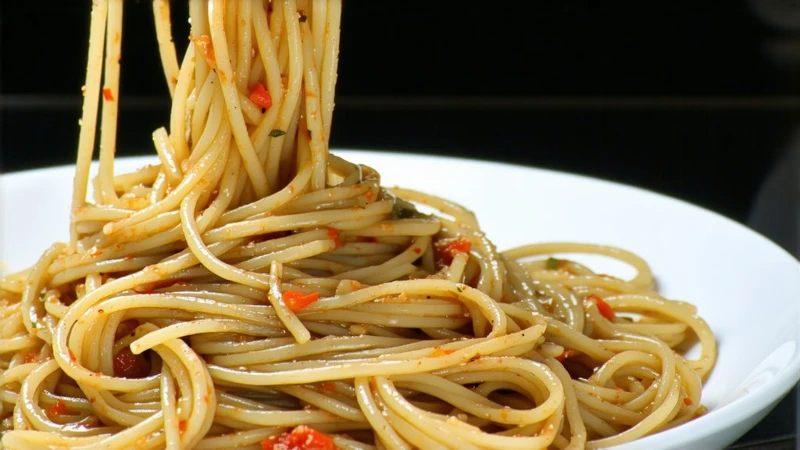
Spaghetti: Boil -> Drain -> Sauce.
Common Mistake Alert:
Soba: A rinse keeps the noodles from clumping.
Spaghetti: It becomes mushy if you cook it too long.
The Great Nutritional Face-Off: Fiber vs. Protein
Nutritionally, buckwheat soba beats spaghetti:
| Nutrient | Soba (per 100g dry) | Spaghetti (per 100g dry) |
|---|---|---|
| Fiber | 4.5g | 2.5g |
| Protein | 12g | 10g |
Why It's Important: Soba's more fiber and protein is healthier, too, although calories are roughly the same (~350 kcal per 100g).
Flavor & Texture Profiles
Soba: Creamy, nutty flavor; mildly chewy texture.
Pastry: Mild, versatile; elastic and smooth.
Pairing Tip: Soba really thrives in a light broth or soy-based sauce, whereas spaghetti stands up to a heavy tomato or cream sauce.
Sauce Compatibility and Traditional Dishes
Soba Classics: Zaru soba (chilled with dipping sauce), soba salad.
Spaghetti Staples: Carbonara, marinara, pesto.
Verdict: Spaghetti has a neutral profile, so it can pair with more ingredients, but soba has a complex flavor that elevates simple dishes.
Availability and Cost
In American grocery stores, spaghetti reigns supreme, and soba tends to get pushed into the Asian or health-food aisles. Cost-wise:
| Noodle | Average Price (per 8.8 oz/250g) |
|---|---|
| Soba | $3.99–$5.99 |
| Spaghetti | $1.49–$2.99 |
Why It Matters: Spaghetti is not only cheaper and more readily available; the dish is a pantry staple for most households.
Beginner-Friendly?
Soba: Moderate difficulty (rinsing, timing)
Spaghetti: Much easier since it's more familiar and involves fewer steps
Pro Tip: It's a good idea to begin with spaghetti to boost your confidence, then try soba's rinse-and-serve approach.
Cultural Nuances and Global Popularity
They include spaghetti, an international star of Italian, American and fusion cuisines. Soba is still a niche product: a beloved representative in Japan, but not so much elsewhere.
Conclusion: Which is Easier?
Spaghetti wins out for simplicity: it's available everywhere, inexpensive and needs no rinsing. Soba is healthy and distinct but requires attention to rinsing and sourcing. Your choice comes down to dietary needs, time and culinary curiosity.
Bonus Tip: Stock your pantry with both! Spaghetti for weeknight simplicity, soba for adventurous nutrition-packed meals.
Data Sources: USDA FoodData Central, manufacturer packaging, culinary surveys.